When choosing a security integrator in Missouri for a manufacturing or commercial facility, look for a licensed, insured partner with documented experience in industrial environments, manufacturer certifications on the systems they install, a written service-level agreement, and local technicians who can reach your Lee’s Summit site fast. The right integrator designs around your specific operations, dust, loading-dock traffic, and 24-hour shifts, rather than dropping in a generic camera package. Vet them the way you would a general contractor: references, proof of insurance, and a clear scope before a single cable is pulled.
Key takeaways
- Verify licensing and insurance first. Ask for proof before design work begins, and confirm their alarm and low-voltage credentials for Missouri.
- Prioritize manufacturer certifications. A certified integrator gets firmware support, warranty coverage, and faster parts than an unauthorized reseller.
- Demand a written SLA. Response times, remote-monitoring coverage, and who answers the phone at 2 a.m. should be on paper.
- Favor local presence. A technician based near Lee’s Summit or the wider Kansas City metro reaches a down system in an hour, not a day.
- Insist on integrated security systems that scale. Access control, intrusion detection, and video should share one platform so you are not rebuilding in three years.
Why the Integrator Matters More Than the Hardware
Cameras and access panels are commodities. The difference between a system that pays for itself and one that collects dust is the integrator who designs, installs, and maintains it. For a manufacturing plant off Chipman Road or a distribution facility near the I-470 corridor, a poorly placed camera or an unmonitored door is not a minor flaw. It is an open gap in a building that may run three shifts and hold six figures of inventory and equipment.
Property crime is a real cost for Missouri businesses. The FBI’s Uniform Crime Reporting data, published through the FBI, tracks burglary and larceny trends that commercial operators can review by jurisdiction. A good integrator uses that kind of local pattern data to decide where to concentrate coverage instead of spreading cameras evenly and hoping.
Credentials to Verify Before You Sign
Treat vetting as a checklist, not a conversation. Reputable integrators expect these questions and answer them without hesitation.
Licensing and insurance
Low-voltage and alarm work can carry licensing and permitting obligations that vary by municipality, so confirm current requirements with your local authority and a licensed professional rather than taking a vendor’s word. Ask for a certificate of insurance naming general liability and workers’ compensation coverage. In an active plant with forklifts and overhead cranes, an uninsured subcontractor on your floor is your liability.
Manufacturer certifications
Certified integrators get access to firmware updates, extended warranties, and priority technical support that unauthorized resellers cannot offer. That matters when a camera line reaches end of life or a vulnerability needs patching. Ask which manufacturers they are certified to install and whether those certifications are current. Certification also tends to correlate with experience building true integrated security systems rather than stitching together whatever hardware is cheapest that quarter.
References from similar facilities
A residential alarm company is not the same as an integrator who has wired a 200,000-square-foot warehouse. Ask for references from manufacturing or commercial clients of comparable size, ideally in the Kansas City metro, and actually call them.
Designing for a Missouri Facility’s Real Conditions

Lee’s Summit sits in a climate that stresses outdoor equipment. Summer heat indexes push past 100 degrees, winter brings ice storms off the plains, and the spring severe-weather season rolls through with wind-driven rain and the occasional tornado warning. Outdoor cameras and perimeter devices need appropriate environmental ratings and surge protection, not indoor-grade hardware mounted under an eave.
Manufacturing adds its own variables. Dust, vibration, washdown areas, and loading docks that cycle open all day each demand specific equipment choices. An integrator who has worked in plants will spec vandal-resistant housings at dock level, thermal or low-light imaging where lighting is poor, and lens choices matched to long warehouse sightlines. If a salesperson quotes the same package for your plant that they would for a retail storefront, that is a signal to keep looking.
Many older industrial buildings in the area also have thick masonry walls, metal decking, and limited existing conduit, all of which affect cabling and wireless signal. A site walk, not a phone estimate, is how a competent integrator catches these before they become change orders.
One Platform, Not Five Disconnected Systems

The strongest commercial deployments unify video, access, and intrusion detection so a single event, a forced door after hours, triggers a recording, an alert, and a monitoring response together. Bolting separate systems from separate vendors onto one building creates blind spots at exactly the seams an intruder exploits. Ask any prospective integrator how their integrated security systems tie these functions together and whether the platform can grow as you add buildings or shifts.
This is where integrated security systems earn their keep for a multi-shift operation. When access control knows a maintenance badge opened a restricted door at 3 a.m., and the video platform automatically bookmarks that clip for the monitoring team, you spend minutes reviewing one event instead of hours scrubbing footage. Scalability is not a luxury for a growing Lee’s Summit manufacturer either. If expansion means ripping out the whole system, the integrator sold you a dead end. Review the full range of security services a partner offers so you know they can support you from a single camera upgrade to a full-site redesign.
Service and Monitoring After Install
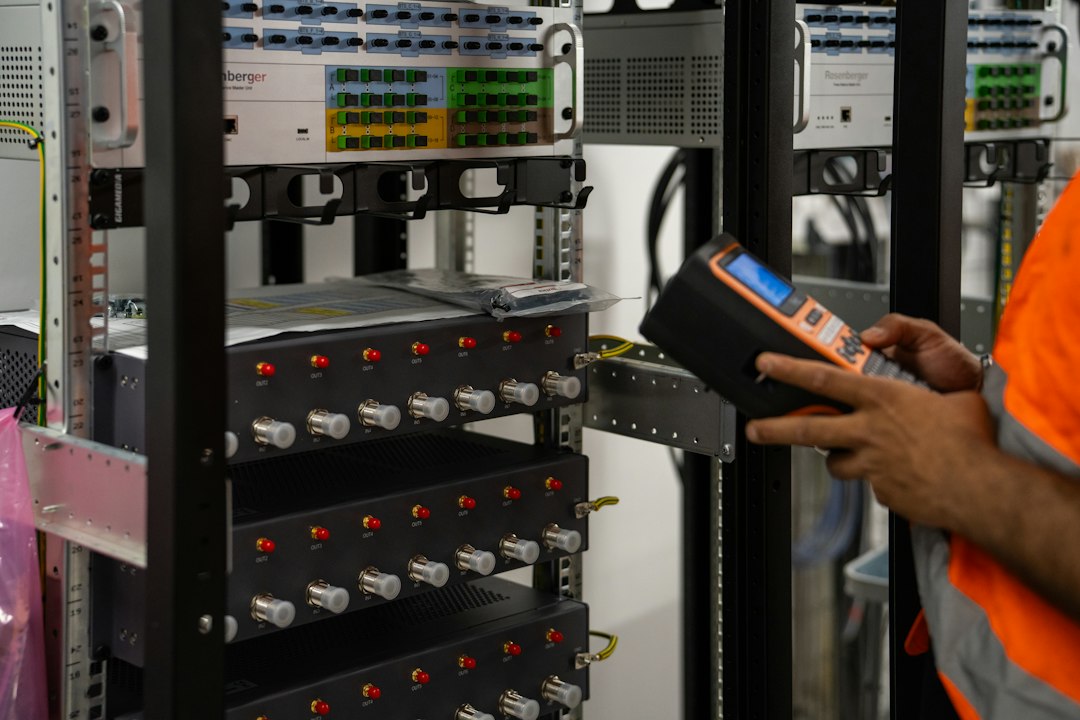
Installation day is the beginning, not the end. The question that separates vendors is what happens six months later when a camera drops offline during a storm. A written service-level agreement should spell out response times, whether monitoring is 24/7, and how remote diagnostics work. Integrators offering managed video services can often resolve issues remotely before you even notice, which is the kind of coverage a multi-shift operation needs.
Local presence is the deciding factor here. An integrator with technicians near Lee’s Summit or elsewhere in the metro can be on site within the hour. A regional firm dispatching from hundreds of miles away cannot. When a system is down, that difference is measured in exposed overnight shifts.
Questions to Ask Before You Commit
- Are you licensed and insured for low-voltage and alarm work in this jurisdiction?
- Which manufacturers certify you, and are those certifications current?
- Can I see references from manufacturing or commercial sites my size in the Kansas City area?
- Will you perform an on-site survey before quoting?
- What does your SLA guarantee for response time and monitoring?
- Does your platform integrate video, access, and intrusion on one system?
- How does the design scale as we expand?
Get the answers in writing. When you are ready to compare a real scope against your facility, request a quote and judge each integrator on the specifics rather than the sales pitch.